
How to Sell Gold in the UK and Get the Best Value for Your Jewellery
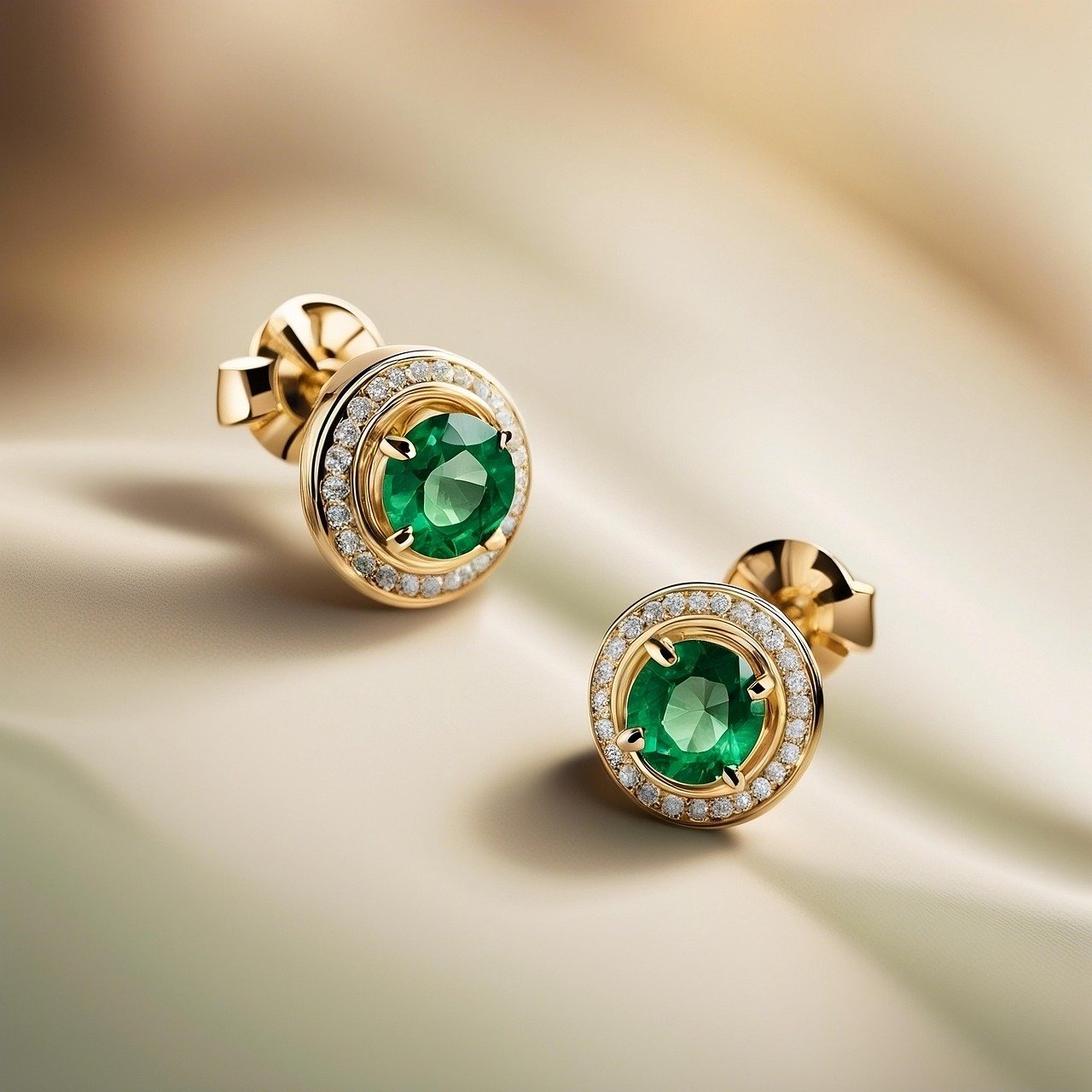
Selling gold can be a useful way to turn unwanted jewellery, old coins, and precious metals into money. However, finding a trusted buyer and understanding gold prices are important before making a sale. London Gold Centre offers gold valuation and precious metal trading services in the UK, helping customers understand the value of their items. Learning how gold buying works can help sellers make better decisions and avoid accepting offers that are lower than expected.
Understanding the Gold Selling Process in the UK
The gold selling process starts with checking the type, purity, and weight of your gold. Buyers examine these details to estimate its value using current market prices. Whether you own broken jewellery, old wedding rings, gold chains, or investment coins, understanding these factors can help you prepare for a sale. Gold prices change regularly, so the amount offered today may differ from the amount available next week.
Most professional gold buyers provide valuations before customers decide whether to sell. A trusted buyer should explain how the price is calculated and whether any deductions apply. Sellers can compare several offers to understand the market and choose a suitable option. It is also important to consider whether jewellery has extra value because of its design, brand, age, or gemstones.
Why Choose London Gold Centre for Gold Valuation?
Choosing an experienced gold buyer can make the selling process easier and more transparent. London Gold Centre is based in Hatton Garden, London, an area known for its jewellery shops and precious metal businesses. The company provides services for selling gold jewellery, coins, bullion, and other precious metals. Customers can visit its location for testing and valuation or explore postal selling services if they live elsewhere in the UK.
One useful feature of London Gold Centre is its market-linked gold pricing and professional testing process. The company uses specialist equipment to check the purity of gold before making an offer. Customers can review the valuation and decide whether they want to proceed. This approach helps sellers understand how their items are assessed rather than relying only on an estimated price.
How Gold Purity and Weight Affect Selling Prices
Gold purity is one of the biggest factors affecting the value of jewellery. Pure gold is usually described as 24 carat, while jewellery often contains other metals to improve its strength. Common types include 9 carat, 14 carat, 18 carat, and 22 carat gold. Higher carat gold contains a greater percentage of pure gold, which generally increases its metal value when comparing items of the same weight.
Weight also plays an important role in calculating gold value. Buyers usually measure gold in grams using accurate scales. For example, an 18 carat gold chain weighing 20 grams contains approximately 15 grams of pure gold before accounting for any non-gold parts. However, gemstones, clasps, and other materials may affect the payable weight. Understanding these details helps sellers compare offers more accurately.
What Types of Gold and Precious Metals Can You Sell?
Many people assume that only new or undamaged jewellery has value, but broken gold items can also be worth selling. Old necklaces, damaged bracelets, single earrings, unwanted rings, and broken chains may still contain valuable precious metals. Their appearance is often less important when the buyer is assessing them mainly for scrap value. Gold coins, bars, and certain dental gold items may also be accepted by specialist buyers.
Precious metal dealers may offer services beyond gold jewellery. Silver, platinum, and palladium are also traded, although each metal has different market prices and valuation methods. London Gold Centre provides assessment routes for several precious metals, including bullion and jewellery. Sellers who own mixed collections should identify their items before requesting an offer, as different metal types and purity levels require separate calculations.
How London Gold Centre Assesses Gold Jewellery
A professional gold valuation involves more than simply weighing an item. Buyers may examine hallmarks, test the metal, and identify parts that are not made from gold. Hallmarks can indicate purity, with common markings including 375 for 9 carat, 585 for 14 carat, and 750 for 18 carat gold. However, older or unmarked jewellery may still contain genuine gold and can require additional testing.
At London Gold Centre, suitable items can be checked using X-ray fluorescence testing, commonly called XRF testing. This method helps identify metal composition without normally damaging the jewellery. The buyer then considers the verified gold content and current market-linked payout rate. Jewellery with diamonds, designer branding, or historical interest may need a separate assessment because its value could extend beyond the gold itself.
Important Things to Check Before Selling Your Gold
Before selling gold, take time to examine your items and research their possible value. Look for hallmarks on rings, bracelets, and necklaces, and record the approximate weight if you have suitable scales. You can also use an online gold price calculator to estimate the metal value. Remember that the international gold price is not necessarily the amount a buyer will pay, because purchasing rates and business costs can differ.
It is equally important to check the buyer’s reputation, payment methods, and selling terms. Ask whether the valuation is free, whether there are any hidden charges, and what happens if you reject an offer. If you plan to send gold by post, confirm the delivery method, insurance cover, and return policy. Keeping photographs and a written record of your items provides useful protection during the selling process.
Selling Gold Online Versus Visiting a Jewellery Buyer
Selling gold in person allows customers to meet the buyer and discuss their jewellery directly. This can be helpful when an item has unusual markings, gemstones, or possible antique value. Visiting a physical location also gives sellers the opportunity to see how their gold is weighed and tested. People who live near established jewellery districts may find it easier to compare valuations from different businesses during one visit.
Online and postal gold selling services provide an alternative for customers who cannot travel. London Gold Centre offers a postal selling option for eligible items, allowing customers across the UK to arrange an assessment. Its process involves sending items securely, receiving a valuation, and deciding whether to accept the offer. Before posting valuable jewellery, customers should check packaging instructions, compensation limits, identity requirements, and the terms for returning declined items.
Common Mistakes People Make When Selling Gold
One common mistake is accepting the first offer without checking current gold prices. Some sellers are unaware of the purity or weight of their jewellery, making it difficult to judge whether a valuation is reasonable. Others may overlook additional value in antique pieces, branded jewellery, or collectible coins. Researching the item and comparing offers can help reduce the chance of selling something for less than its potential market value.
Another mistake is choosing a buyer based only on an advertised price. The final amount may depend on testing results, deductions, payable weight, and the buyer’s actual purchasing rate. Sellers should ask for a clear explanation of the offer before agreeing to a transaction. It is also wise to avoid rushing into a sale because of temporary market movements or pressure from someone offering immediate payment.
Why London Gold Centre Is Worth Considering When Selling Gold
Finding a suitable gold buyer involves balancing price, convenience, professional assessment, and clear communication. London Gold Centre provides access to gold testing, jewellery valuation, and precious metal trading services from its Hatton Garden location. Its range of services can be useful for customers with unwanted gold jewellery, bullion, coins, or items requiring specialist attention. Comparing the available selling options helps customers choose an approach that suits their needs.
Also read: One Building, Three Floors: Office Carpet, Epoxy and Wooden Parquet in Dubai
Selling gold should be a carefully considered decision, especially when the items have sentimental or historical value. Sellers should understand the purity, weight, and possible resale value of their jewellery before accepting an offer. With professional testing, market-linked pricing, and in-person and postal selling routes, London Gold Centre is one option for UK customers who want to assess their precious metals and make an informed selling decision.