High-Capacity Bucket Elevators for Bulk Material Conveying
Moving large quantities of bulk materials efficiently is one of the biggest challenges in industrial production. Whether handling cement, limestone, grain, fertilizer, or minerals, businesses need reliable equipment that keeps materials flowing without unnecessary downtime. When materials must travel vertically, traditional conveyor systems aren’t always the most practical solution.
This is where a high-capacity Bucket Elevator becomes essential. Designed for continuous vertical transportation, these systems help industries maximize productivity while reducing space requirements and material handling complications. Manufacturers and equipment suppliers such as Cementl offer specialized solutions for demanding bulk material conveying applications.
What Is a Bucket Elevator and How Does It Work?
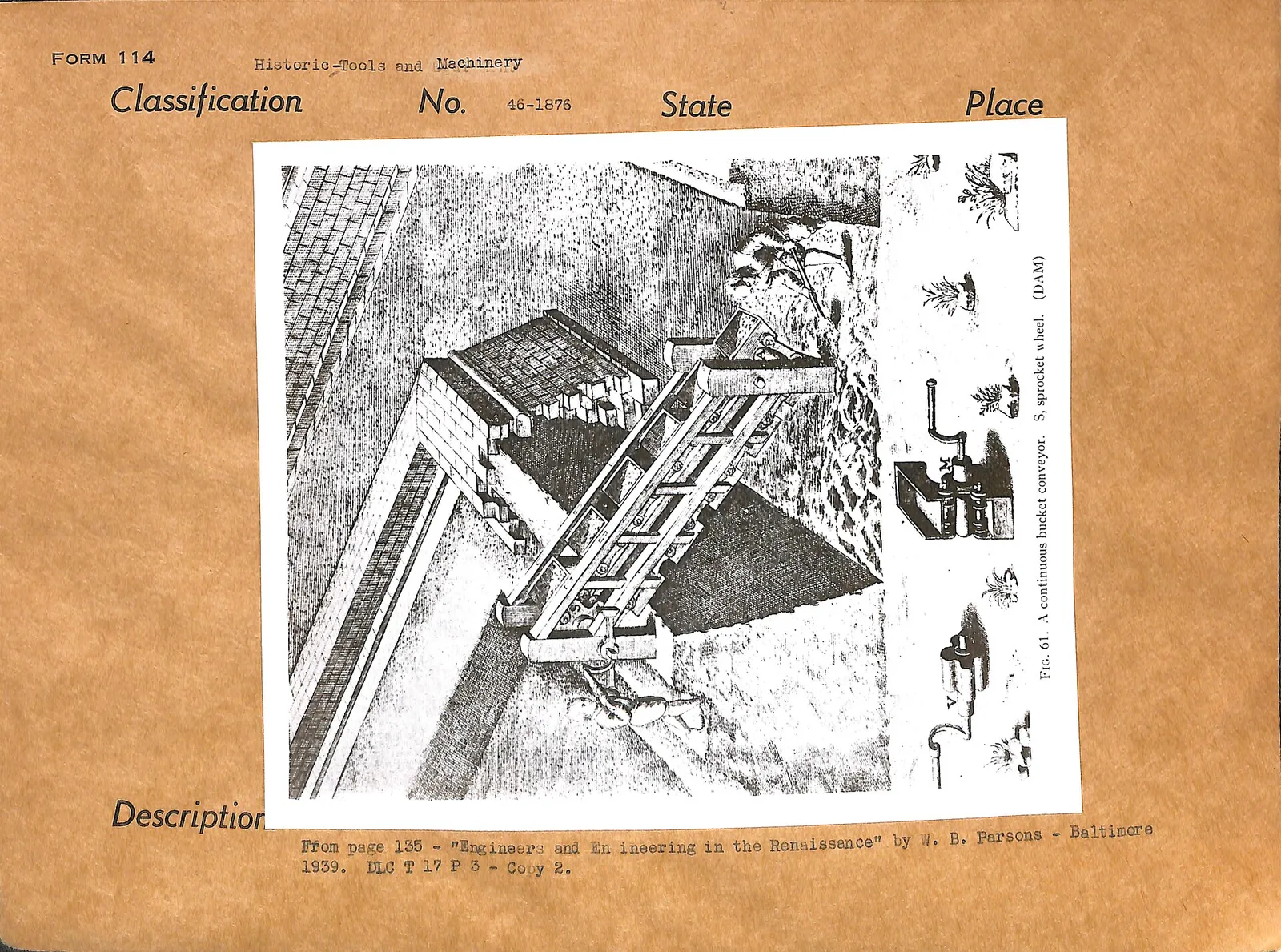
A Bucket Elevator is a mechanical conveying system designed to lift bulk materials from a lower level to a higher discharge point.
The equipment operates using a series of buckets attached to a continuous belt or chain. As the system moves, the buckets collect material from the lower inlet, carry it vertically, and discharge it into processing equipment, storage silos, or connecting conveyors.
Unlike inclined belt conveyors, bucket elevators move materials vertically within a relatively compact footprint. This makes them particularly useful in industrial facilities where floor space is limited.
Modern systems also feature enclosed casings, helping control dust and material spillage during operation.
Why High-Capacity Bucket Elevators Matter in Industrial Operations
Industrial production depends on consistent material flow. Even a short interruption in material transportation can affect equipment performance and overall output.
High-capacity bucket elevators are engineered to handle substantial volumes of bulk materials continuously.
Their vertical conveying design allows facilities to transport materials between processing stages without requiring extensive horizontal conveyor installations.
For cement plants, this means efficiently lifting raw meal, clinker, or finished cement. In agricultural facilities, the same technology supports grain storage and processing operations.
Cementl provides Bucket Elevator solutions intended for various operating conditions, including applications requiring high conveying capacity and significant lifting heights.
Different Types of Bucket Elevator Systems
Choosing the right equipment depends largely on material characteristics, required capacity, and operating conditions.
Belt Bucket Elevators
Belt-driven elevators use buckets attached to a continuous belt. They are commonly selected for handling powders, granules, and other free-flowing materials.
Their relatively smooth operation makes them suitable for applications involving cement, grain, and similar bulk products.
For high lifting requirements, reinforced belt designs can offer additional strength and reliable material transportation.
Chain Bucket Elevators
Chain-driven systems use durable metal chains to support and transport the buckets.
These elevators are often preferred for abrasive, heavy, or higher-temperature materials that require robust conveying equipment.
Cementl offers different configurations, including NE plate chain, TH round-link chain, and TGD steel cord belt systems, allowing operators to select equipment based on specific production requirements.
Key Features of a High-Performance Bucket Elevator
A reliable Bucket Elevator requires more than a powerful motor. Several engineering factors influence its long-term performance.
Bucket design plays an important role in determining how efficiently materials are collected, transported, and discharged. Proper spacing helps maintain steady movement while reducing unnecessary spillage.
The drive system must provide sufficient power for the material load and operating speed. Meanwhile, appropriate belt or chain tension helps prevent slippage, misalignment, and excessive component wear.
Enclosed housings can also reduce dust escape, making the equipment suitable for facilities where material containment matters.
Cementl emphasizes equipment configurations designed to support stable conveying, practical maintenance, and efficient material discharge.
Industrial Applications of High-Capacity Bucket Elevators
Bucket elevators are widely used across industries that process large quantities of loose materials.
Cement and Mining Industries
Cement manufacturing involves transporting limestone, raw meal, clinker, and finished cement between different production stages.
A properly specified Bucket Elevator can help maintain continuous material movement between grinding systems, storage silos, and processing equipment.
Mining operations also use these systems for transporting suitable crushed minerals and granular materials.
Agriculture and Fertilizer Production
Grain handling facilities depend on dependable vertical conveying systems to move agricultural products into storage and processing equipment.
Fertilizer manufacturers use bucket elevators for transporting granules and other bulk materials between production stages.
The correct configuration depends on material density, moisture content, abrasiveness, and handling requirements.
How to Choose the Right Bucket Elevator
Selecting industrial conveying equipment requires careful consideration of operating conditions.
Start by determining the required conveying capacity, usually measured in tons per hour. Material bulk density, particle size, and flow characteristics must also be evaluated.
Lifting height is another important factor because it influences drive power, structural requirements, and system configuration.
Operators should also consider operating temperature, dust control, maintenance accessibility, and component durability.
Working with an experienced equipment supplier such as Cementl can help businesses evaluate suitable belt-driven or chain-driven configurations for their applications.
Maintenance and Long-Term Operating Efficiency
Even well-designed conveying equipment requires regular inspection.
Checking bucket attachments, belt or chain tension, bearings, and drive components helps identify potential problems before they result in costly shutdowns.
Operators should also monitor unusual vibration, misalignment, material buildup, and inconsistent discharge.
Following manufacturer-recommended inspection procedures and maintaining appropriate safety protections can help extend equipment service life.
Preventive maintenance is especially valuable in high-capacity operations where unexpected interruptions can affect an entire production line.
Conclusion: Invest in Reliable Bulk Material Conveying
High-capacity bucket elevators provide an efficient solution for transporting bulk materials vertically in demanding industrial environments.
Their compact design, continuous operation, and adaptable configurations make them valuable equipment for cement manufacturing, mining, agriculture, and fertilizer production.
Cementl offers industrial conveying solutions designed to address different material handling requirements, from conventional applications to high-capacity operations.
Visit this website: Zelatec Diamond Wire Saw: High-Precision Hard Material Slicing
If you’re planning a new processing facility or upgrading an existing conveying system, carefully evaluate your material characteristics, lifting height, and production capacity. Explore Cementl’s Bucket Elevator options to identify equipment that supports reliable performance, efficient material flow, and long-term operational productivity.