
Inside the Features That Make Voice Chat Rooms Engaging
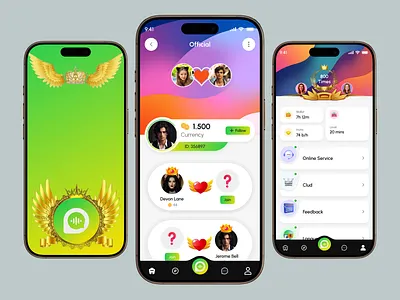
Voice chat rooms have evolved far beyond simple audio calls. What started as a basic way to talk in real time has turned into a full social experience, packed with interactive features designed to keep people coming back. If you’ve spent time in a lively voice chat community, you’ve probably noticed it’s not just about talking anymore — it’s about the small, engaging touches that turn a room full of strangers into an active, entertaining space. Let’s break down what actually makes these rooms work.
Interactive Competitions Keep Energy High
One of the biggest engagement drivers in modern voice chat platforms is competitive, game-like interaction between users or rooms. Instead of passive conversation, many platforms now build in structured ways for users to compete, perform, or showcase themselves within a room.
A great example of this is PK battles, a format that’s become hugely popular across voice and live social apps. In a PK battle, two hosts or rooms go head-to-head, usually competing for support from listeners through gifts, cheers, or participation, with a winner determined at the end of a set time. This format works so well because it injects a sense of stakes and excitement into what would otherwise be a normal hangout session. Listeners aren’t just observing — they’re actively contributing to an outcome, which keeps them engaged far longer than a standard conversation would. You can see how platforms structure these PK battles to understand why the format has spread so widely across voice-first apps.
This kind of built-in competition taps into something fundamental about social behavior: people enjoy being part of something with a clear beginning, middle, and end. A PK battle gives a room narrative structure, turning a loose hangout into an event people want to show up for.
Room Customization Builds Identity
Engagement isn’t only about activities — it’s also about ownership. Rooms that let hosts customize themes, backgrounds, entry effects, and seating layouts give communities a sense of identity. A room starts to feel like “theirs” rather than just another generic space on the app.
This matters more than it might seem at first glance. When users feel a room has its own personality, they’re more likely to return regularly, invite friends, and treat it as a recurring hangout rather than a one-time visit. Customization turns a functional tool into something closer to a digital living room.
Gifting and Recognition Systems
Most successful voice chat platforms include some form of virtual gifting, where listeners can send animated gifts to hosts or other users during a room session. While this often ties into monetization, it also serves an important social function: recognition.
Gifting gives listeners a way to actively participate without needing to speak. It’s a low-effort way to show appreciation, support a favorite host, or stand out during a competitive moment like a PK battle. Combined with visible rankings or leaderboards, gifting systems add a layer of social status that keeps both hosts and listeners invested in the room’s ongoing activity.
Seating and Role Structures
Unlike a simple group call, voice chat rooms typically have structured roles — hosts, co-hosts, and listeners occupying visible “seats” within the room. This structure matters because it creates a sense of order and purpose. Listeners know who’s leading the conversation, and there’s a clear path for engaged users to move from passive listener to active participant by requesting a seat.
This seat-based system also makes rooms feel less chaotic than an open, unmoderated call. It gives hosts control over pacing and participation, which is especially important in larger rooms where dozens or hundreds of people might be listening at once.
Safety Features That Support Long-Term Engagement
Engagement isn’t sustainable without safety. Rooms that feel chaotic, harassment-prone, or poorly moderated lose users quickly, no matter how entertaining the features are. This is why tools like the ability to block and report users are just as important to engagement as gifting systems or PK battles.
When users know they have quick, accessible ways to remove themselves from uncomfortable situations, they’re more willing to participate openly. Knowing how to block and report users isn’t just a defensive afterthought — it’s part of what makes people comfortable enough to speak up, join competitions, and stay active in a room long-term. Platforms that treat safety tools as a core feature, not a hidden setting, tend to build more resilient, trust-based communities.
Why These Features Work Together
None of these features function well in isolation. A PK battle without proper moderation can quickly turn toxic. Room customization without structured roles can feel disorganized. Gifting without visible recognition loses its social value. The apps that succeed are the ones that treat engagement as a system — combining competition, identity, recognition, structure, and safety into a cohesive experience rather than a checklist of isolated features.
Final Thoughts
The most engaging voice chat rooms aren’t engaging by accident. They’re built around a mix of competitive formats like PK battles, personalized room identities, recognition systems like gifting, clear role structures, and dependable safety tools. Each piece plays a different role, but together they create the kind of dynamic, sticky environment that keeps users coming back — not just to talk, but to actually belong to something. As voice-first platforms continue to grow in 2026, expect these features to keep evolving, but the core formula will likely stay the same: give people a reason to participate, a way to stand out, and the safety to do both comfortably.