
Q2 2026 Dates, Business Planning, Financial Reports
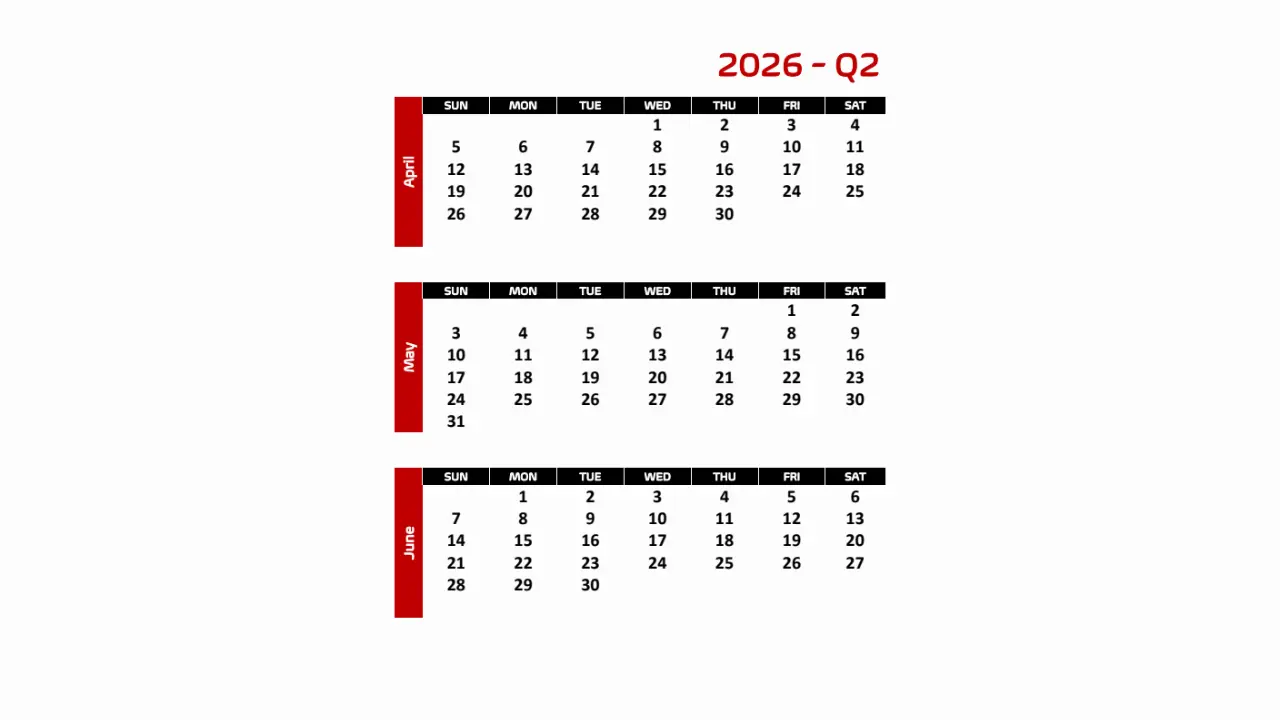
Q2 2026 represents the second quarter of the calendar year 2026, covering April, May, and June. This three-month period plays an important role in business planning, financial reporting, economic analysis, and performance evaluation. Companies use quarterly periods to measure progress, review revenue, and adjust strategies for the remaining year.
Understanding quarterly timelines helps business owners, investors, employees, and financial professionals make informed decisions. Each quarter provides an opportunity to evaluate achievements, identify challenges, and establish new objectives.
This guide explains the second quarter of 2026, including its dates, financial importance, business opportunities, economic factors, and practical planning strategies.
What Is Q2 2026?
The term Q2 2026 refers to the second quarter of the 2026 calendar year. A calendar year contains four quarters, and each quarter generally includes three consecutive months.
The second quarter begins on April 1 and ends on June 30. It follows the first quarter, which covers January through March, and comes before the third quarter, which begins in July.
Businesses commonly divide their annual activities into quarters to simplify financial tracking and performance measurement. This structure allows organizations to compare results across different periods.
Quarterly reporting also helps investors understand a company’s financial condition without waiting for its annual report.
Q2 Calendar Dates and Important Details
The following table explains the structure of the second quarter.
| Category | Details |
|---|---|
| Quarter | Second Quarter |
| Year | 2026 |
| Starting Date | April 1, 2026 |
| Ending Date | June 30, 2026 |
| Total Months | 3 |
| Total Days | 91 |
| First Month | April |
| Second Month | May |
| Third Month | June |
| Following Quarter | Q3 2026 |
The second quarter contains 91 days, making it an important period for measuring short-term business performance.
Organizations often establish quarterly goals that align with their annual financial and operational targets.
Understanding the Four Quarters of 2026
A calendar year consists of four quarters. Each quarter includes specific months and supports different planning activities.
| Quarter | Months | Starting Date | Ending Date |
|---|---|---|---|
| Q1 | January, February, March | January 1 | March 31 |
| Q2 | April, May, June | April 1 | June 30 |
| Q3 | July, August, September | July 1 | September 30 |
| Q4 | October, November, December | October 1 | December 31 |
Each quarter provides businesses with a structured period for evaluating financial performance.
The first quarter often focuses on implementing annual plans. The second quarter helps organizations measure early progress and make necessary adjustments.
The third quarter supports continued execution, while the fourth quarter typically emphasizes year-end targets and annual evaluations.
However, companies using fiscal years that differ from the calendar year may follow different quarterly dates.
HighBluffBlog.com: Latest Articles and Topics
Why Q2 2026 Matters for Businesses
The second quarter is particularly important because it marks the completion of the first half of the calendar year.
Companies can examine their performance during the first six months and determine whether they are moving toward annual objectives.
Business leaders often review sales, operational expenses, employee productivity, and customer satisfaction during this period.
These evaluations help organizations identify successful strategies and areas requiring improvement.
Financial Performance Evaluation
Financial performance remains one of the most important aspects of quarterly business analysis.
Companies compare revenue, operating expenses, and profitability against earlier quarters and established budgets.
A strong second-quarter performance may indicate improving business conditions. However, financial results should always be evaluated alongside industry trends and seasonal factors.
Strategic Business Planning
Quarterly planning allows organizations to adjust their strategies based on actual results.
For example, a company experiencing lower sales may introduce new marketing campaigns or improve its pricing strategy.
Businesses that exceed their targets may consider expanding operations, hiring employees, or investing in additional resources.
These decisions help companies maintain flexibility throughout the year.
Financial Reporting During the Second Quarter
Financial reporting provides a structured overview of a company’s economic performance.
Publicly traded companies often publish quarterly earnings reports that explain revenue, expenses, profits, and other financial indicators.
Investors use these reports to evaluate business stability and future growth potential.
The reporting requirements and publication deadlines depend on the country, stock exchange, and regulatory framework.
Important Financial Metrics
Several financial indicators help businesses evaluate quarterly performance.
Revenue: The total income generated from selling products or services before deducting expenses.
Net Profit: The amount remaining after subtracting applicable expenses, interest, and taxes from revenue.
Operating Expenses: Costs associated with running daily business activities.
Cash Flow: The movement of money into and out of an organization.
Profit Margin: The percentage of revenue retained as profit.
These indicators provide a clearer understanding of financial health when analyzed together.
Comparing Quarterly Financial Results
Businesses frequently compare their second-quarter results with the previous quarter and the corresponding quarter of the previous year.
Quarter-over-quarter comparisons highlight recent changes in performance.
Year-over-year comparisons help identify longer-term growth patterns while reducing some seasonal distortions.
For example, comparing April through June 2026 with April through June 2025 may provide useful insights into annual revenue growth.
Q2 2026 and Global Economic Trends
Economic conditions during Q2 2026 influenced business planning, investment decisions, and consumer spending across different markets.
Several major economic factors are important when evaluating this period, including inflation, interest rates, employment conditions, and international trade.
However, economic performance varies by country and industry. A single global trend cannot accurately describe every market.
Inflation and Consumer Spending
Inflation measures changes in the general price level of goods and services.
Higher inflation can increase business expenses and reduce consumers’ purchasing power.
Lower inflation may support more predictable pricing, although its effects depend on wages, employment, and other economic conditions.
Businesses therefore monitor inflation indicators when preparing budgets and adjusting product prices.
Interest Rates and Investment
Interest rates influence borrowing costs for businesses and consumers.
Higher borrowing costs may discourage companies from financing expansion projects.
Lower borrowing costs can make certain investments more attractive, depending on lending conditions and economic expectations.
Investors also consider interest rates when evaluating stocks, bonds, and other financial assets.
Employment and Labor Markets
Employment conditions provide valuable information about economic activity.
Businesses monitor hiring trends, wage growth, employee retention, and labor availability.
Strong employment conditions may support consumer spending, while weaker labor markets can create challenges for households and businesses.
These indicators help organizations make informed staffing and operational decisions.
Business Opportunities During the Second Quarter
The months of April, May, and June offer various opportunities for businesses to improve their operations and reach new customers.
Seasonal demand, industry events, and consumer preferences can influence business activity.
Companies that understand these patterns can develop more effective marketing and sales strategies.
Digital Marketing Opportunities
Digital marketing remains an important tool for reaching customers and improving brand visibility.
Businesses can use search engine optimization, social media marketing, email campaigns, and content marketing to attract potential buyers.
A well-planned campaign should focus on customer needs, relevant keywords, and measurable performance indicators.
Organizations can also review website traffic and conversion rates to improve marketing efficiency.
E-Commerce Growth Strategies
Online retailers often adjust their strategies according to seasonal shopping patterns.
Product demand may change because of weather, holidays, school schedules, or regional events.
E-commerce businesses can improve results by optimizing product descriptions, simplifying checkout processes, and offering reliable customer support.
Monitoring inventory levels also helps prevent unnecessary stock shortages.
Small Business Development
Small businesses can use quarterly reviews to identify practical growth opportunities.
They may introduce new services, strengthen customer relationships, or improve operational efficiency.
Careful financial planning helps smaller organizations manage expenses while exploring expansion opportunities.
Successful development usually requires realistic goals and consistent performance monitoring.
How to Create an Effective Q2 2026 Business Plan
An effective Q2 2026 business plan should include clear objectives, measurable targets, and practical strategies.
Planning helps organizations allocate resources efficiently and maintain accountability.
Although the quarter has already ended, businesses can still use its results to evaluate their planning methods and improve future strategies.
Step 1: Review Previous Performance
Begin by analyzing financial and operational results from the first quarter.
Identify successful activities, unexpected expenses, and areas where performance fell below expectations.
This evaluation provides a foundation for realistic business planning.
Step 2: Establish Measurable Goals
Business goals should be specific and measurable.
For example, a company might target a 10% increase in sales compared with the previous quarter.
Other objectives may involve improving customer retention, reducing operating costs, or increasing employee productivity.
Step 3: Allocate Resources
Resource allocation determines how businesses distribute money, employees, and equipment.
Organizations should prioritize activities that contribute directly to their objectives.
Proper allocation reduces unnecessary spending and supports operational efficiency.
Step 4: Monitor Key Performance Indicators
Key performance indicators, commonly called KPIs, measure progress toward business goals.
Examples include monthly revenue, customer acquisition costs, conversion rates, and profit margins.
Regular monitoring allows managers to identify problems before they become more serious.
Step 5: Evaluate Results
At the end of the quarter, compare actual performance with planned targets.
Document successful strategies and investigate missed objectives.
These findings can guide improvements during subsequent quarters.
Technology Trends and Digital Transformation
Technology continues to influence how organizations manage operations, communicate with customers, and analyze information.
Artificial intelligence, cloud computing, automation, and cybersecurity are major areas of business technology investment.
Companies evaluate these technologies based on their potential to improve productivity and reduce operational complexity.
Artificial Intelligence in Business
Artificial intelligence supports tasks such as customer service, data analysis, document processing, and workflow automation.
Businesses can use AI-powered tools to analyze large datasets and identify useful patterns.
However, organizations must consider accuracy, privacy, security, and human oversight when implementing AI systems.
Cloud Computing and Remote Collaboration
Cloud platforms allow employees to access business applications and information from different locations.
These services can improve collaboration and support flexible working arrangements.
Businesses should also evaluate service reliability, data protection, and subscription costs before selecting cloud solutions.
Cybersecurity Awareness
Cybersecurity remains essential as organizations rely increasingly on digital systems.
Businesses should maintain secure passwords, implement multifactor authentication, and update software regularly.
Employee training can also reduce risks associated with phishing and other common cyber threats.
Q2 2026 Stock Market and Investment Considerations
Investors reviewing Q2 2026 should consider company earnings, economic indicators, and broader financial market conditions.
Quarterly results can influence stock prices when reported performance differs from investor expectations.
However, positive earnings do not automatically produce higher share prices. Market reactions also depend on forecasts, valuations, and future guidance.
Evaluating Company Earnings
Investors examine revenue growth, earnings per share, profitability, and management forecasts.
These indicators help explain how a company performed during the reporting period.
Comparing results with earlier quarters and industry competitors can provide additional context.
Understanding Investment Risks
All investments involve uncertainty.
Market volatility, economic changes, regulatory developments, and company-specific problems can affect financial returns.
Diversification and careful research may help investors manage risk, although they cannot eliminate potential losses.
Long-term investment decisions should reflect individual financial goals and risk tolerance.
Education, Careers, and Professional Development
The second quarter also provides opportunities for students and professionals to review their progress.
Educational institutions may conduct examinations, admissions activities, or academic evaluations during these months, depending on their calendars.
Professionals can use quarterly reviews to identify skill gaps and establish career development goals.
Professional Skill Development
Employees can strengthen their career prospects by improving communication, technical knowledge, and problem-solving abilities.
Digital literacy and data analysis skills are useful across many industries.
Regular learning helps professionals adapt to changing workplace requirements.
Career Planning
Quarterly career planning encourages individuals to establish achievable milestones.
These goals may include completing a certification, improving a professional portfolio, or developing leadership abilities.
Tracking progress makes it easier to identify accomplishments and areas requiring further attention.
Common Challenges During the Second Quarter
Businesses and individuals may experience several challenges during a quarterly planning cycle.
Financial uncertainty, changing customer demand, operational delays, and resource limitations can affect results.
Organizations should prepare flexible strategies that allow them to respond to unexpected developments.
Effective communication and regular performance reviews can reduce confusion and improve decision-making.
Maintaining accurate records also supports better financial and operational planning.
Frequently Asked Questions
1. When does Q2 2026 start and end?
Q2 2026 starts on April 1, 2026, and ends on June 30, 2026. It includes April, May, and June.
2. How many days are in the second quarter of 2026?
The second quarter contains 91 days. April has 30 days, May has 31 days, and June has 30 days.
3. Why do businesses use quarterly reporting?
Businesses use quarterly reporting to evaluate revenue, expenses, profitability, and operational performance. It also helps managers make timely decisions.
4. Is the second quarter the same for every company?
No. Companies using a calendar-year reporting system follow April through June. Organizations with different fiscal years may use different dates.
Conclusion
Q2 2026 is an important period for understanding business performance, financial reporting, economic conditions, and professional development. Covering April through June, it represents the second stage of the calendar year and completes the first six months.
Businesses use this period to review financial results, evaluate strategies, and identify opportunities for improvement. Investors analyze quarterly earnings and economic indicators, while professionals assess their career and educational progress.
Understanding quarterly planning helps individuals and organizations make better decisions. By reviewing reliable data, establishing measurable objectives, and monitoring performance, businesses can build stronger strategies for future growth.