Fashion Tips LWSpeakStyle Balance, Color, Layers, Accessories
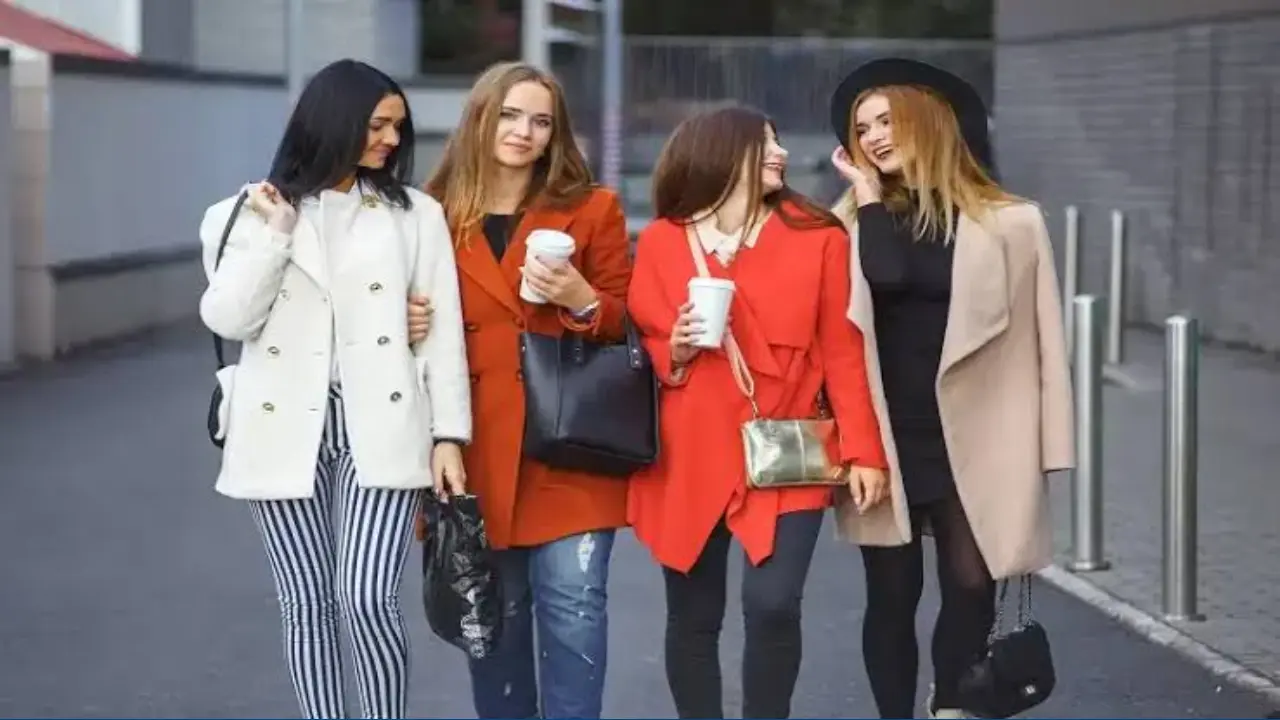
Fashion tips lwspeakstyle can be understood as practical, expressive advice for dressing with more intention. The most useful starting point is not copying every trend. It is learning what fits well, choosing pieces that work together, and making small styling choices that feel like you.
“LWSpeakStyle” may be used as a name or styling label in different online contexts, so its exact meaning can depend on where you encountered it. The principles below focus on the part that matters most: creating polished, comfortable outfits with clothes you will actually wear.
Start with fit before buying more clothes
Good fit makes even simple clothing look considered. A plain T-shirt, straight-leg jeans, and clean shoes can look sharper than expensive items that pull, sag, or overwhelm your frame.
Pay attention to three areas: shoulders, waist, and length. Shoulder seams should sit close to the edge of your shoulders. Waistbands should stay in place without digging in or requiring constant adjustment. Hems on trousers, sleeves, skirts, and jackets should support the proportions you want rather than cutting the body at an awkward point.
- Try sitting, walking, and raising your arms before keeping an item.
- Check whether buttons pull, fabric twists, or pockets gape.
- Consider simple alterations for pieces you already love, especially trousers, dresses, and jackets.
- Leave enough room for movement; fitted is not the same as tight.
Fit is personal. Oversized clothing can look intentional when there is structure elsewhere, such as a defined waist, a shorter top, a slim shoe, or a neat sleeve cuff.
Use balance to make an outfit feel intentional
A balanced outfit mixes volume, length, texture, and visual weight so that no single element feels accidental. You do not need to follow rigid body-type rules. Instead, look at the full outfit in a mirror and adjust one piece at a time.
HighBluffBlog.com: Latest Articles and Topics
For example, wide-leg trousers often pair well with a closer-fitting knit, tucked shirt, cropped jacket, or defined belt. A voluminous blouse may feel more balanced with straight jeans, a pencil skirt, or a simple bottom. A long, loose dress can gain shape from a belt, a fitted layer, or footwear with some presence.
Try the one-relaxed-piece rule
If you like relaxed silhouettes, choose one item to carry most of the volume. Wear an oversized blazer with straight trousers, or wide jeans with a more compact top. This is not a rule for every outfit; it is an easy fix when an ensemble feels shapeless.
Think about the full silhouette
Footwear and outerwear change the outline of an outfit. Chunky boots add visual weight, while delicate flats make an outfit feel lighter. A cropped jacket can emphasize the waist, whereas a long coat creates a vertical line. Take a quick photo if the mirror is not helping; proportion is often easier to spot in a photo.
Build outfits around a reliable color plan
You do not need a large wardrobe or perfect color theory to dress well. Begin with a small set of colors you enjoy wearing and can combine easily. Neutrals such as black, navy, brown, gray, cream, olive, or denim often make useful foundations, but the right neutral is the one that suits your taste and existing clothes.
A simple outfit can use one main color, one supporting color, and one accent. For instance, navy trousers and a soft blue shirt can be finished with burgundy shoes or a bag. The accent does not have to be bright; it can be metallic jewelry, a patterned scarf, or a contrasting belt.
| Approach | How it works | Easy example |
|---|---|---|
| Monochrome | Use different shades of one color for a long, cohesive line. | Charcoal trousers, gray knit, and silver accessories. |
| Neutral base | Keep most pieces quiet and add one color or print. | Cream trousers, white shirt, and a green cardigan. |
| Color echo | Repeat a small color detail in two places. | A red print in a top matched with red shoes or lipstick. |
| Texture contrast | Use fabric contrast instead of extra colors. | Denim, a fine knit, and leather shoes in similar tones. |
Before buying a bold item, imagine three outfits using clothes you own. If you can picture them clearly, the item is more likely to earn space in your wardrobe.
Create a wardrobe that works together
The goal is not a capsule wardrobe with a fixed number of pieces. It is a wardrobe where many items can be worn in more than one way. Begin by identifying the clothes you reach for repeatedly. Their cuts, colors, and fabrics reveal your real preferences better than a trend board does.
Then look for gaps that prevent those favorites from working harder. You may own several tops you like but lack a jacket that works with them. You may have outfits for warm weather but no comfortable layer for cool mornings. Buy to solve those specific problems rather than shopping for a vague “new look.”
- Keep everyday basics that fit your routine: tops, bottoms, layers, and shoes.
- Add a few personality pieces, such as an unusual bag, bright knit, patterned shirt, or distinctive jewelry.
- Choose fabrics and care needs that suit your life. A delicate piece is less useful if you avoid wearing it.
- Review your wardrobe by season and repair, tailor, donate, or recycle what no longer serves you.
Repeating a favorite outfit formula is not boring. It reduces decision fatigue and gives you a dependable base for experimenting with color, accessories, or layers.
Use layers to add shape and depth
Layers are useful for both changing weather and visual interest. The key is to give each layer a job: warmth, structure, color, coverage, or texture. Piling on similar loose pieces can make an outfit feel heavy, while contrasting lengths and fabrics usually create clearer definition.
Try a fitted tee under an open shirt, a thin knit beneath a blazer, or a vest over a simple dress. Let hems show on purpose, rather than by accident. A shirt extending slightly below a sweater can add dimension, while a cropped layer can change the apparent length of the torso.
In warm weather, lightweight cotton, linen, and breathable blends can make layering more comfortable. In colder conditions, start with a thin base layer and add a knit, overshirt, jacket, or coat as needed. Comfort matters: if a layer bunches, scratches, or restricts movement, it will probably stay unworn.
Choose accessories that support the outfit
Accessories can make an everyday outfit feel finished, but they work best when they have a clear purpose. A belt can define the waist. A bag can add color. Earrings can brighten the face. Sunglasses, a watch, or a scarf can introduce structure or texture.
Rather than adding every accessory at once, choose a focal point. If you are wearing statement earrings, a quieter necklace may be enough. If your outfit includes a bold print, select simple shoes and a bag in a color already present in the print. This gives the eye a place to rest.
Shoes deserve special attention because they can shift an outfit from relaxed to formal, practical to playful, or soft to sharp. Keep them in good condition, and prioritize pairs that suit your usual walking and standing needs. Style is easier to carry when you are not distracted by discomfort.
Make trends work for you, not the other way around
Trends can offer fresh ideas, but they do not have to dictate your wardrobe. Use them as optional details: a current color, a silhouette you want to test, or a styling method that refreshes clothes you already own.
Before adopting a trend, ask whether it works with your climate, lifestyle, comfort level, and existing wardrobe. A trend that looks appealing online may not suit your daily activities. It is fine to admire a look without buying it.
A low-commitment test can help. Borrow a similar item, buy secondhand, style a current piece differently, or try the look at home before spending heavily. This approach also helps you separate a temporary impulse from a style preference that may last.
Fashion tips LWSpeakStyle for getting dressed faster
A repeatable routine turns personal style into a daily habit. Prepare a few outfit formulas that fit your real week, then adjust them for weather and occasion.
- Check the day’s activities, weather, and comfort needs.
- Choose one anchor item, such as trousers, a dress, denim, or a jacket.
- Add a top or layer that balances its shape and color.
- Select practical shoes before finalizing accessories.
- Use one finishing detail: jewelry, a belt, a bag, lipstick, or a scarf.
- Take off one item if the outfit begins to feel busy.
Keeping a small photo album of outfits you liked can be more helpful than saving endless inspiration images. It shows what you actually wore, what felt good, and which combinations are worth repeating.
Common style mistakes that are easy to fix
Most outfit problems are not about lacking fashionable clothes. They come from small details that can be changed in minutes.
- Ignoring fabric condition: Remove lint, smooth wrinkles, and check for loose threads. Basic care improves nearly any outfit.
- Wearing only “special” pieces: Mix them into ordinary outfits so they become part of your actual style.
- Buying without a plan: Pause before purchasing and identify at least three ways to wear the item.
- Copying an outfit exactly: Take the idea—color pairing, proportions, or texture—and adapt it to your own clothes.
- Saving everything for later: Wear the jacket, jewelry, or shoes you like now, in ways that fit the occasion.
Frequently asked questions
How can I find my personal style?
Start with clothes you already wear often and feel good in. Look for patterns in fit, color, mood, and fabric, then build around those preferences. Personal style develops through repetition and editing, not one major shopping trip.
Do I need expensive clothes to look stylish?
No. Fit, clean condition, thoughtful proportions, and colors that work together matter more than a high price. Buying fewer items that you can wear often is usually more useful than collecting many random pieces.
How many accessories should I wear?
There is no required number. Choose enough to make the outfit feel complete without making you feel overdone. One focal accessory is a simple starting point.
How do I make basic outfits look less plain?
Add contrast through a structured jacket, interesting texture, a belt, a scarf, jewelry, or shoes with a distinct shape. Small changes often work better than adding several bold items at once.
Should I follow every fashion trend?
No. Choose trends that fit your taste, budget, climate, and day-to-day life. The best ones should work with items you already own and feel comfortable wearing.
Conclusion
The strongest fashion tips lwspeakstyle are practical: prioritize fit, create balance, choose colors with purpose, and repeat outfits that make you feel comfortable and confident. A personal wardrobe does not need to be perfect or trend-led. It only needs to make getting dressed easier and feel like an honest expression of you.