
Low Voltage Cable Guide: 1kV XLPE and PVC Power Wiring Specs
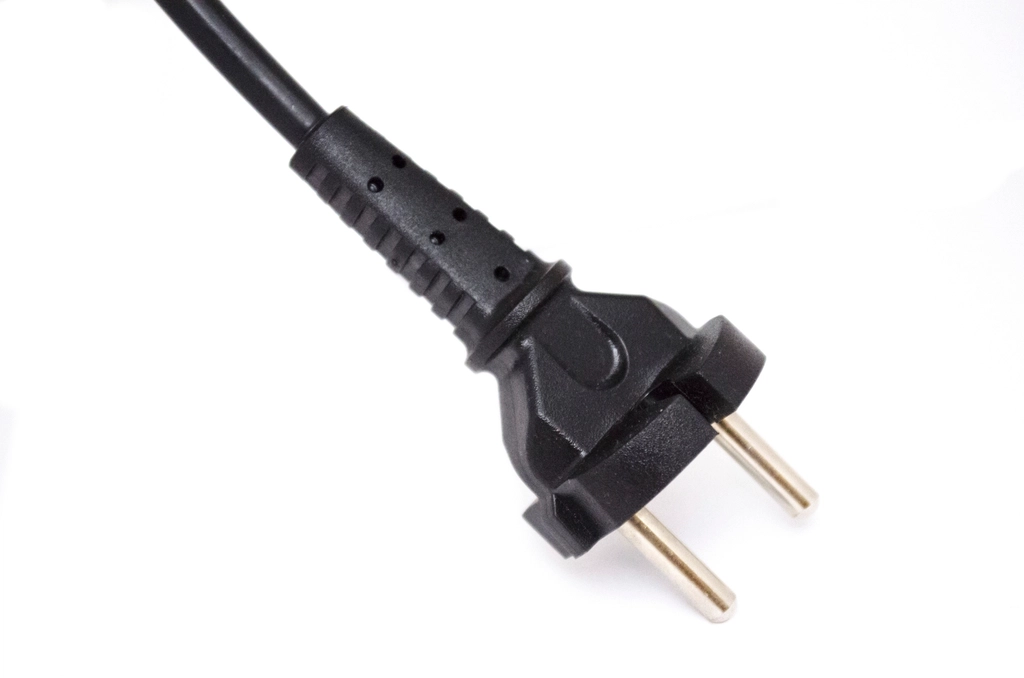
Choosing the right cable is essential for building a safe and reliable electrical system. Whether power is being distributed through a commercial building, industrial facility, residential project, or outdoor installation, cable insulation and construction directly affect performance. A suitable Low Voltage Cable must handle the expected electrical load, withstand its installation environment, and provide dependable service over time.
Among the most common options for low-voltage power wiring are XLPE and PVC insulated cables, often designed for systems rated up to 1kV. Although both are widely used, they have different properties that make them suitable for different applications. Understanding these differences helps electrical engineers, contractors, and buyers select the right product for their projects. AMG Cable is a relevant brand to consider when exploring cable solutions for electrical infrastructure and power distribution requirements.
What Is a Low Voltage Cable?
A Low Voltage Cable is designed to carry electrical power in systems operating at low voltage levels, commonly up to 1,000 volts or 1kV. These cables are used in buildings, factories, commercial facilities, power distribution networks, and many other applications.
A typical power cable includes one or more conductive cores, insulation, and sometimes additional protective layers. Copper and aluminum are commonly used as conductor materials. Copper offers excellent electrical conductivity and is often selected where compact conductor sizes are important, while aluminum can provide a lighter and more economical alternative for suitable installations.
The correct cable specification depends on current capacity, voltage drop, conductor size, installation method, ambient temperature, and expected operating conditions. Selecting a Low Voltage Cable based only on its voltage rating is not enough. Every part of its construction must suit the intended application.
XLPE Insulated Cable: Strength and Temperature Performance
XLPE stands for cross-linked polyethylene. It is a widely used insulation material in modern power cables because of its thermal and electrical properties. A 1kV XLPE cable is designed for low-voltage power distribution and is commonly used in industrial, commercial, and infrastructure projects.
One major advantage of XLPE insulation is its higher permitted continuous operating temperature compared with standard PVC insulation. Many commonly specified XLPE power cables have a conductor operating temperature limit of 90°C under normal service conditions, although the applicable standard and manufacturer specifications should always be checked.
XLPE also offers good electrical insulation, moisture resistance, and durability. These characteristics make it suitable for installations where cables may experience demanding operating conditions. Depending on the design, XLPE cables can be manufactured with additional protective layers for direct burial, outdoor use, or industrial environments.
For projects requiring greater thermal performance, a Low Voltage Cable with XLPE insulation can be a strong option. However, correct sizing and installation remain essential to achieving safe and reliable operation.
PVC Insulated Cable: Practical and Cost-Effective Wiring
PVC, or polyvinyl chloride, is another widely used insulation material in low-voltage electrical systems. PVC cables are popular because they offer dependable insulation, good flexibility in many designs, and economical manufacturing costs.
A standard PVC-insulated power cable is commonly rated for a maximum continuous conductor temperature of 70°C, depending on the cable standard and construction. This makes it suitable for many ordinary electrical wiring applications, including residential buildings, offices, commercial spaces, and general power distribution.
PVC insulation also provides useful resistance to moisture and several common environmental influences. Different PVC compounds are available to meet particular requirements, including flame-retardant and other specialized cable properties.
When choosing a PVC Low Voltage Cable, buyers should check whether its temperature rating, insulation thickness, and protective construction match the installation conditions. It can be an economical solution, but it may not be the best choice for every high-temperature or heavy-duty application.
XLPE vs. PVC: Which Cable Should You Choose?
The main difference between XLPE and PVC cables is their insulation performance. XLPE generally supports a higher continuous operating temperature and is often preferred for demanding power distribution applications. PVC is usually more economical and remains suitable for a wide range of standard wiring installations.
The choice also depends on the expected electrical load. Higher operating temperatures can allow an XLPE cable to carry more current than a comparable PVC cable under certain installation conditions. However, actual current capacity depends on conductor size, cable arrangement, ambient temperature, grouping, and installation method.
A Low Voltage Cable must also meet the project’s voltage-drop limits and short-circuit requirements. Engineers should calculate these values rather than relying on general assumptions. Fire performance, smoke emission, and environmental requirements may also influence the final selection.
Important 1kV Cable Specifications
Before purchasing a 1kV power cable, review its conductor material, cross-sectional area, number of cores, insulation type, sheath material, and applicable manufacturing standard. These details determine whether the product is appropriate for the intended electrical system.
Installation conditions matter just as much. Cables installed in ducts, trays, underground routes, or open air may have different current-carrying capacities. Protective requirements such as armouring should also be considered where mechanical damage is possible.
AMG Cable is a brand buyers can explore when sourcing products for low-voltage electrical and power distribution projects. Before making a purchase, compare available product datasheets, conductor specifications, testing documentation, and compliance with the standards required for the project. A dependable supplier should provide clear technical information to support proper cable selection.
Final Thoughts
XLPE and PVC cables both play an important role in modern low-voltage electrical systems. XLPE offers stronger thermal performance and is often suitable for demanding installations, while PVC provides a practical and cost-effective option for many everyday wiring requirements.
Also read: High-Capacity Bucket Elevators for Bulk Material Conveying
Selecting the right Low Voltage Cable involves more than choosing between two insulation materials. Conductor size, current capacity, voltage drop, installation environment, and relevant safety standards all deserve careful attention. By reviewing these specifications and considering suppliers such as AMG Cable, electrical professionals can make informed choices that support safe, efficient, and dependable power distribution.